
About Zanzibar
Zanzibar is an archipelago in the Indian Ocean, off the coast of Tanzania. It’s made up of two main islands — Unguja, commonly known as Zanzibar, and Pemba — along with smaller surrounding islets. White-sand beaches, coral reefs, spice plantations, and centuries of layered Swahili, Arab, Indian, and African history shape the place.
Unguja sits about 35 kilometers off the Tanzanian coast. The capital, Stone Town, anchors the west of the island and is a UNESCO World Heritage Site. The east coast is known for kite-surfing, calm shallow beaches, and an emerging digital nomad scene. The north — Nungwi, Kendwa, Matemwe — is the luxury beach corridor with year-round swimming and established tourism infrastructure. The west has master-planned residential communities like Fumba. The interior is quieter, agricultural, and less developed.
Pemba lies 50 kilometers north of Unguja. It's smaller, less developed, and known for pristine reefs, world-class diving, and a growing first-mover real estate opportunity.
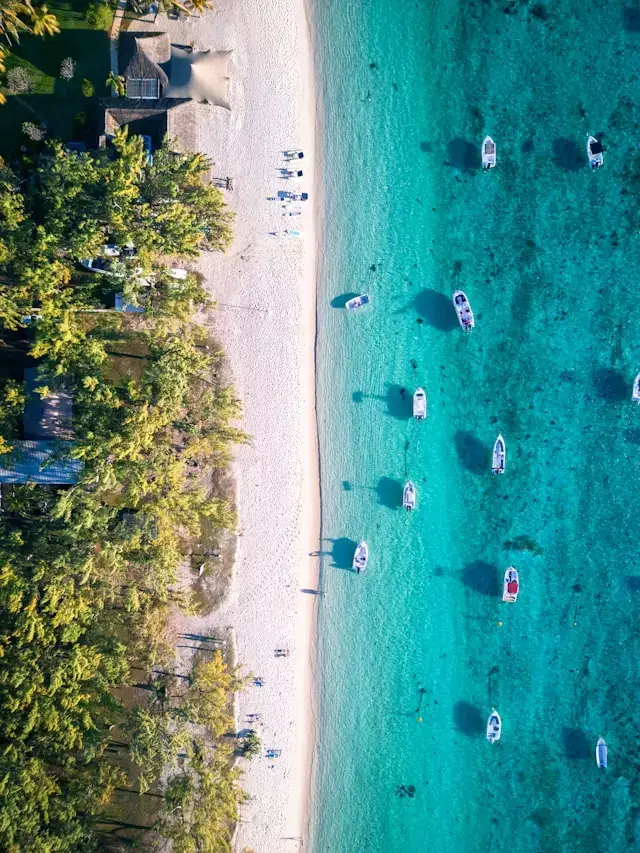
Zanzibar has a tropical climate with two main seasons. The dry months run roughly January to February and June to October — the prime tourism windows. The long rains arrive March through May. The short rains land in November and December. Temperatures stay between 25°C and 32°C year-round, with consistent ocean breezes.
For property owners, this matters. Peak rental demand sits in the dry season, and most short-stay accommodation businesses plan their calendars around that pattern.

Zanzibar's tourism economy crossed the one-billion-dollar mark in 2024, with international visitor numbers growing 15.4 percent year on year. The Z-Summit 2026 attracted more than 1,300 registered investment projects worth a combined $14.3 billion, with the majority tied to tourism, hospitality, and real estate.
Infrastructure is catching up to that demand. The Pemba Airport expansion is a $263 million project extending the runway and lifting capacity to 330,000 passengers per year. Stone Town's Terminal III is already operational. Road networks are being widened across the islands. International airline routes are expanding.
This is why international capital — from the UAE, Europe, North America, and across East Africa — is increasingly active in Zanzibar property.

Zanzibar's culture is layered. Swahili is the primary language, with English widely spoken. The island has been a major trading post for over a thousand years. Stone Town's narrow streets and carved doors reflect Arab, Indian, Persian, and African influences shaped by that history. Spice plantations still operate inland. Markets, music, and food remain central to daily life.
For residents and long-term visitors, the rhythm is slower than mainland cities. Mornings start early. Afternoons are warm. Evenings stretch.
A few essentials to know before you start.
Foreign ownership in Zanzibar uses long-term leasehold rather than freehold. The standard structure is a 99-year leasehold (typically 33 years, renewable up to three times), registered through the Zanzibar Investment Promotion Authority (ZIPA) and recorded on a Certificate of Right of Occupancy issued by the Zanzibar Land Commission. Every listing on ZanzibarFind clearly shows its ownership type so you know exactly what you're buying.
Transactions happen in both US dollars and Tanzanian Shillings. Off-plan and pre-construction properties make up a significant share of the active market. Working with a verified local agent through the platform helps simplify due diligence and the legal process.
Browse current listings, explore Zanzibar's regions, or get in touch if you're an agent or developer ready to list with us.
Contact Us