
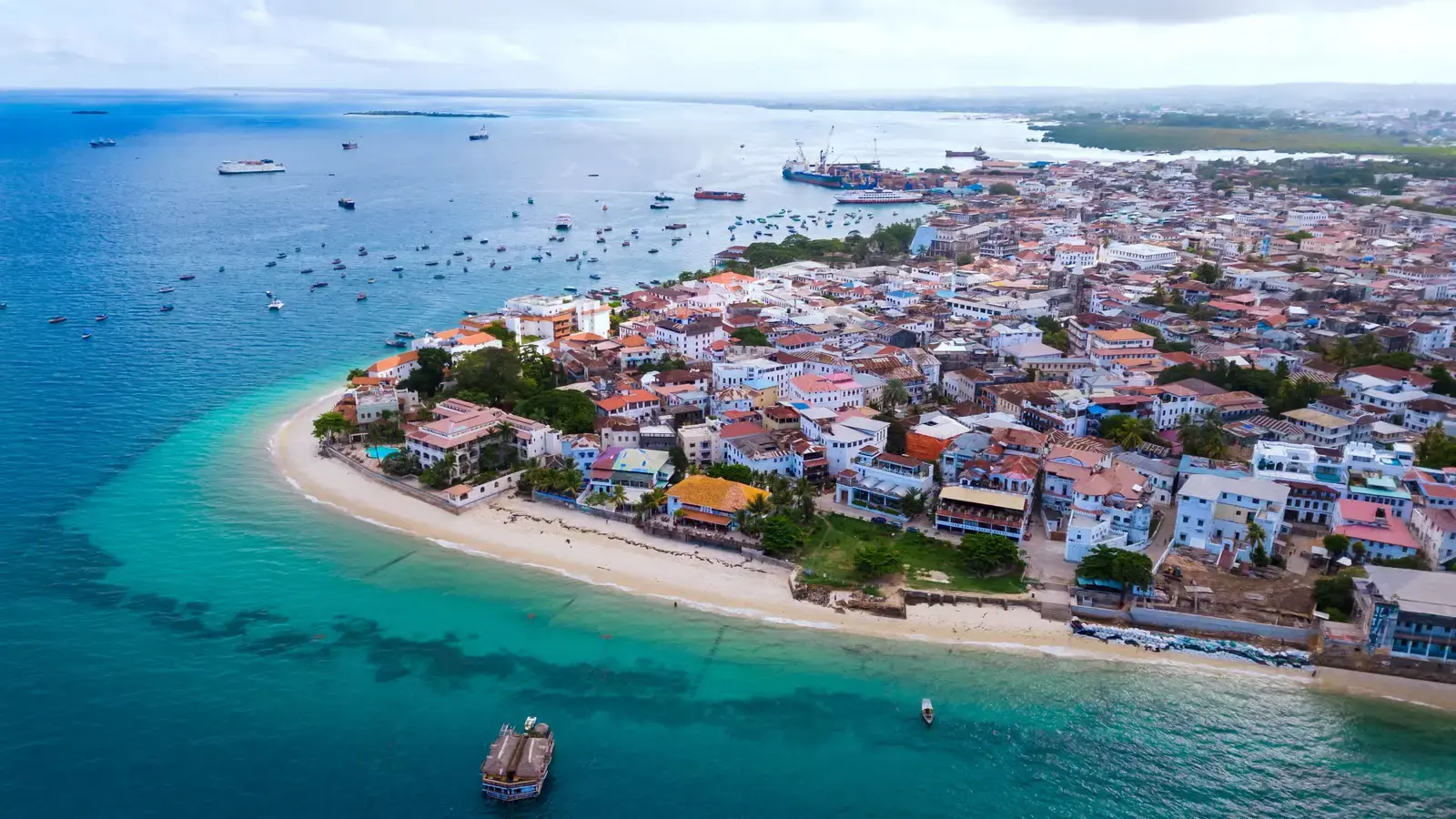
Zanzibar offers diverse opportunities for property investors, but choosing the right location matters. Different areas attract different buyer profiles. Someone seeking heritage tourism returns will look at Stone Town. A digital nomad wanting beach lifestyle will consider the East Coast. An expat family might prefer the West Coast's master-planned communities.
This guide breaks down Zanzibar's seven main property zones so you can match your investment goals to the right location.
Stone Town is Zanzibar's historic heart. UNESCO recognizes it as a World Heritage Site. The architecture reflects centuries of Arab, Indian, and African influences. Narrow streets, ornate doors, carved verandas, and restored mansion hotels define the area.
Property here attracts two types of buyers: heritage preservationists and tourism investors. Heritage properties command premium prices because restoration requires specialized expertise. Tourism investors see returns through boutique hotel conversions, guesthouses, and short-term rentals feeding the steady stream of visitors.
What to know: Stone Town properties often require renovation. Renovation costs run high due to heritage protections. You'll need to work with specialists familiar with restoration standards. Rental yields can be strong if managed as a tourism property, but management requires attention to detail.
Stone Town suits investors with capital for restoration and patience for heritage compliance processes.
North Zanzibar stretches from Nungwi to Kendwa to Matemwe. This is the island's luxury beach zone. The sea stays calm year-round here, making it ideal for swimmers and water sports. Nungwi and Kendwa have established tourism infrastructure. Hotels, restaurants, dive operators, and water sports facilities are mature. Property prices reflect this development. High-end villas and resort-style properties dominate. Expat residents cluster here, drawn by the lifestyle and amenities.
Matemwe offers similar appeal with slightly lower density. The beaches are equally beautiful. The vibe feels more laid-back.
What to know: North Zanzibar properties command the highest per-square-meter prices. Rental yields depend on how you operate the property. Full-time luxury villa rentals attract affluent tourists and can generate strong income. Expat buyer demand keeps property values stable. Tourism infrastructure means you have restaurant options, reliable services, and a social scene. North Zanzibar suits affluent investors seeking lifestyle alongside returns, families wanting established expat communities, and those targeting the luxury tourism market.
The East Coast stretches from Paje through Jambiani, Bwejuu, to Michamvi. This zone has transformed in the last five years. Kite-surfing put it on the map. Digital nomads followed. Cafes, coworking spaces, and laid-back beach bars emerged. The vibe is younger and more international than the North.
Paje is the epicenter. The kite-surfing conditions are world-class. The beach faces the east, catching steady winds. Flat shallow water makes it perfect for learners and intermediate riders. Kite schools, windsports shops, and a critical mass of enthusiasts have built a community.
Jambiani, Bwejuu, and Michamvi offer similar lifestyle appeal with more space and quieter beaches. Property prices here remain lower than the North but have grown steadily. What to know: East Coast properties appeal to owner-occupants and those targeting the lifestyle rental market (weekly and monthly stays to digital nomads, holiday renters). Bed-and-breakfast style operations work well. Property prices are more accessible than the North. This area attracts younger buyers and long-term residents rather than purely transactional tourism investors. The cafe and coworking scene creates a secondary economic layer beyond pure accommodation.
The East Coast suits lifestyle-focused investors, digital nomad operators, those seeking affordability, and anyone prioritizing community and owner-occupancy over maximum tourism yields.
The West Coast includes Fumba, Mbweni, and Bububu. This area has seen intentional development. Master-planned communities with shared amenities, security, and services have emerged. Property here appeals to families and expat professionals seeking stability and planned infrastructure.
Fumba is the flagship. The peninsula development includes villas with private beaches, communal pools, restaurants, and managed security. It reads like an upscale residential neighborhood rather than a tourism zone. Owner-occupancy rates are high. The community is multigenerational families, long-term residents, and some retirees.
Mbweni and Bububu follow similar patterns. They attract families wanting schools, international networks, and reliable services.
What to know: West Coast properties have strong owner-occupancy but lower tourism rental yields compared to the East or North Coasts. You're buying lifestyle and stability rather than pure income. Property prices are moderate. This area attracts buyers planning to live full-time on Zanzibar. Resale potential is good because demand from expat families remains consistent. Management is simpler if you're not operating a tourism business.
The West Coast suits families, long-term residents, expat professionals, and investors prioritizing stability and community over transactional tourism returns.
Central Zanzibar is inland. The landscape shifts from beach to clove plantations, villages, and quieter roads. This zone attracts a different buyer type entirely: those seeking space, privacy, and low prices.
Property here remains deeply affordable. Land is abundant. Development is limited. Some buyers acquire parcels for speculation. Others build personal compounds with room to breathe. Agricultural tourism is emerging in some areas.
What to know: Infrastructure in central areas is less developed than coastal zones. Roads can be rougher. Access to amenities requires more planning. This area suits buyers with patient capital, land speculators, or those who prioritize privacy and affordability over convenience. Rental yields and resale potential are lower because tourism interest is minimal.
Central Zanzibar suits investors with long time horizons, land speculators, those seeking privacy and space, and budget-conscious buyers.
Pemba is Zanzibar's sister island, 50 kilometers north. It's less developed, less populated, and largely untouched compared to Unguja (the main island). The coral reefs are pristine. The diving is exceptional. The culture feels more removed from tourism corridors.
Property here is rare and inexpensive by Zanzibar standards. Buyers are typically nature-focused, diving operators, or those betting on future development. Some view it as a ground-floor opportunity before tourism and infrastructure scale.
What to know: Pemba requires more patience and risk tolerance. Infrastructure development is slower. Financing can be harder. But for those believing in Pemba's tourism future, land prices now offer first-mover advantage. Community is tight. Development is ongoing.
Pemba suits adventurous investors, diving operators, first-mover speculators, and those with passion for the island's natural assets.
Your best location depends on your investment timeline, capital, risk tolerance, and what you want from the property.
Choose Stone Town if heritage matters to you, you have capital for restoration, and you're targeting tourism returns through hotel or guesthouse operations.
Choose North Zanzibar if you want established luxury infrastructure, affluent tourism markets, and stable property values.
Choose the East Coast if you want affordability, community, and operators interested in lifestyle stays.
Choose the West Coast if you're seeking family-friendly living, expat networks, and long-term owner-occupancy.
Choose Central if you prioritize privacy, space, and low entry prices.
Choose Pemba if you have long vision and believe in first-mover positioning.
Ready to explore properties across these zones? Browse current listings on Zanzibar Find to compare options and connect with properties matching your investment profile.